Gallery
Competition Photos
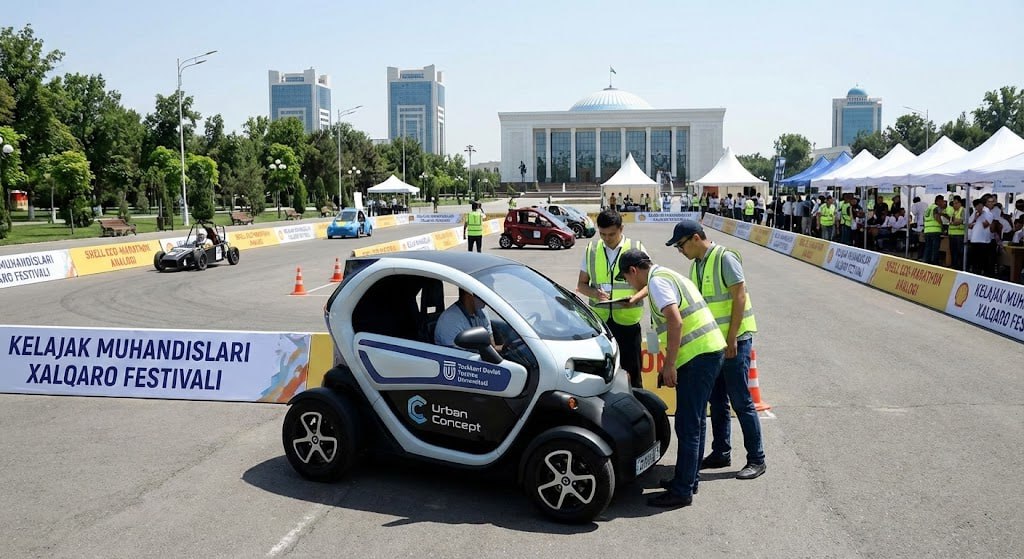
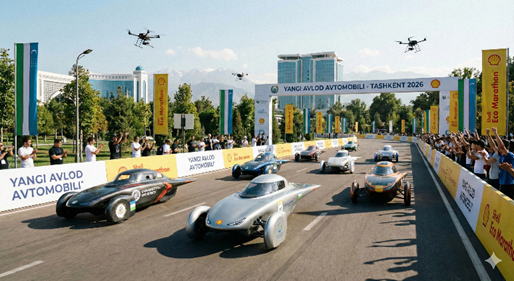
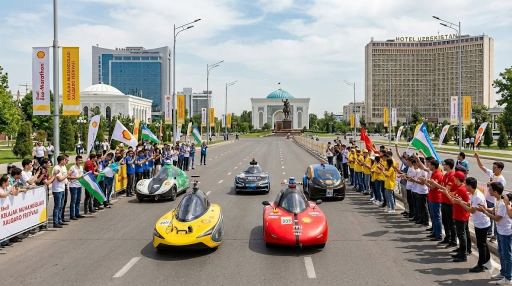
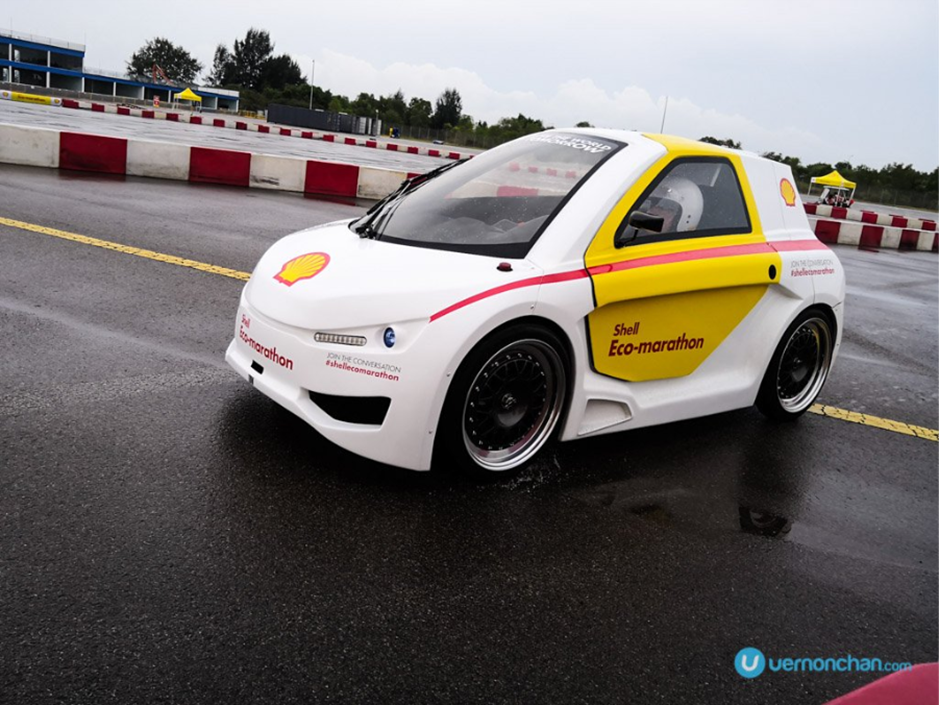
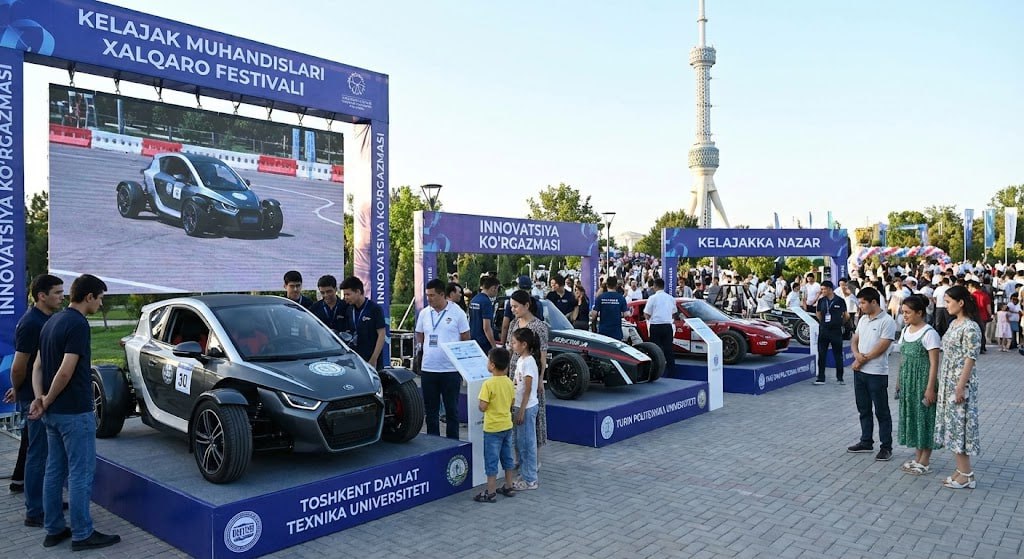
Energy Efficient Car Competition — build Prototype Battery-Electric vehicles that cover the greatest distance with the least electrical energy consumption!
Promoting energy-efficient transport solutions and building Prototype Battery-Electric vehicles that move with minimal electrical energy consumption
A competition aimed at enhancing the design, aerodynamics, mechanics and electrical engineering skills of participating students and young engineers, as well as testing and comparing prototypes under real track conditions.
Category: Prototype, energy type: Battery-Electric. Results are calculated in km/kWh — the team that covers the greatest distance with the least electrical energy consumption wins.
Achieve the highest km/kWh result with a Battery-Electric prototype
Independently design the chassis, body, electrical system and BMS
Technical inspection, pit culture and electrical safety
Fully enclosed body, aerodynamic shape and lightweight materials
Core requirements for the Prototype Battery-Electric category
Fully enclosed body, 3 or 4 wheels, roll bar mandatory, separated by bulkhead
Max 60V voltage, 1 battery (≤1,000 Wh), BMS mandatory
Emergency shutdown, dead-man switch, roll bar, fire extinguisher, on-board camera
2 independent hydraulic brakes — one per axle, cable/wire brakes prohibited
Maximum 140 kg without driver (in full working condition)
L: ≤3,500mm, W: ≤1,300mm, H: <1,400mm, Track width: ≥500mm
The venue consists of 3 main zones
The winner is determined solely by energy efficiency (km/kWh) — not speed or engine power
Result = Distance covered (km) / Energy consumed (kWh) — the primary criterion!
Cover 8–12 km within 25–30 minutes
Maintain an average speed of 20–25 km/h on the track
Preference given to the team with lower energy consumption
Team that passed technical inspection without warnings
If distance, time or speed requirements are not met, the run is not counted
Safety violations, unauthorised modifications or failure to comply with marshals' instructions
The team that achieves the highest km/kWh result across all valid official runs is declared the winner. Not speed or engine power, but energy efficiency is the primary criterion.
In case of a tie: 1) lower energy consumption, 2) clean inspection pass, 3) better first run result.
Achieve the highest km/kWh with a Battery-Electric prototype and win at the "FUTURE ENGINEERS" festival!